
Makassar Reef: The Famous Manta Point in Komodo
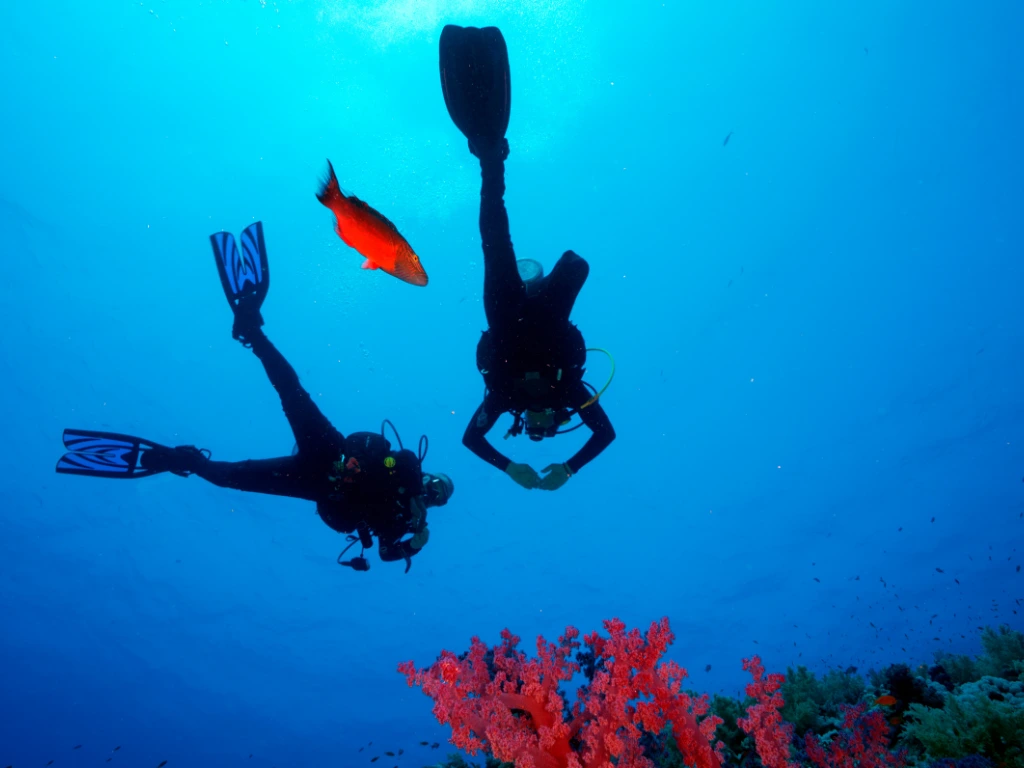
Makassar Reef is one of the most well-known dive sites in Komodo National Park, especially for divers hoping to encounter manta rays in the wild. Also widely known as Manta Point, Makassar Reef is famous for its large sandy channels, gentle drift diving, and regular manta ray sightings throughout the year. Unlike coral-heavy dive sites filled with steep reef walls, Makassar Reef offers a completely different underwater landscape that focuses more on pelagic encounters and open-water diving.
For many travelers visiting Labuan Bajo, diving at Makassar Reef becomes one of the most unforgettable experiences in Komodo because of the chance to see reef manta rays swimming gracefully just meters away. The combination of calm drift diving conditions, sandy seabeds, and frequent manta activity makes Makassar Reef one of the most popular dive locations in the national park.
Where is Makassar Reef?
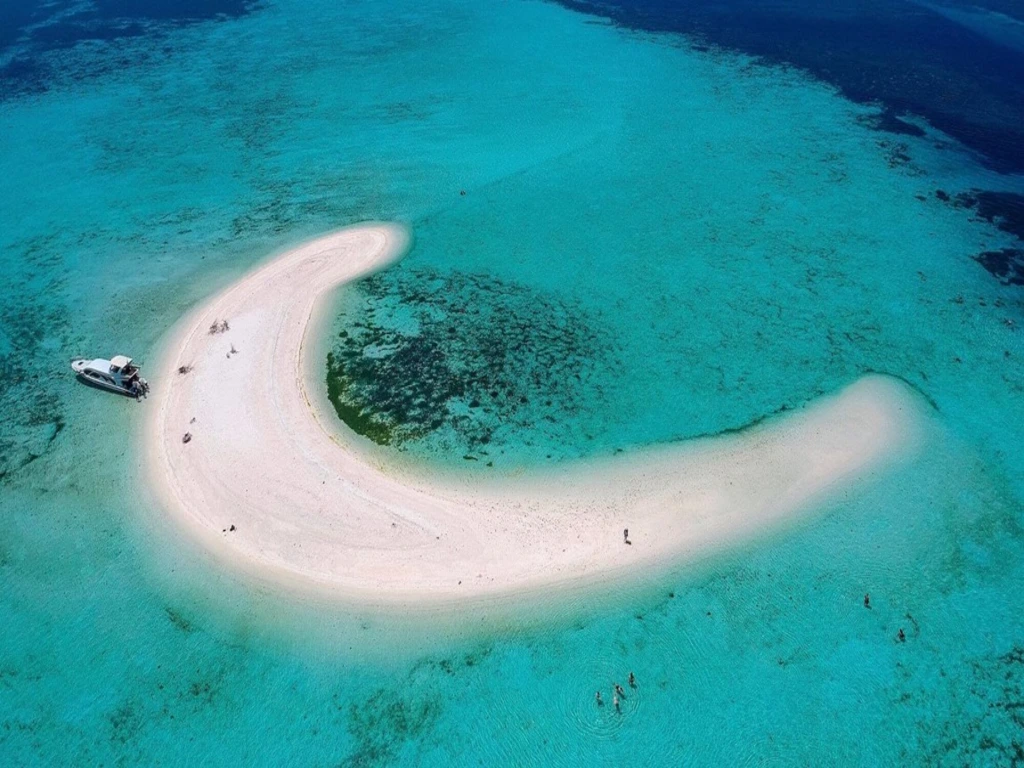
Makassar Reef is located in the central-southern area of Komodo National Park between Komodo Island and Tatawa Besar. The dive site stretches across a long underwater channel with sandy bottoms and scattered coral patches. Because of the nutrient-rich currents flowing through the area, manta rays regularly gather here to feed and visit cleaning stations.
The site earned the nickname “Manta Point” because of how commonly manta rays are spotted during dives. Makassar Reef is also one of the most visited dive sites in Komodo for travelers searching for close manta ray encounters in natural conditions.
Why Divers Love Makassar Reef
The biggest attraction at Makassar Reef is undoubtedly the manta rays. Unlike some dive sites where manta sightings are rare or seasonal, Makassar Reef offers relatively consistent opportunities to encounter these giant creatures throughout the year. Divers often see manta rays gliding slowly across the sandy channels, circling above cleaning stations, or feeding in current-rich areas. During active conditions, multiple manta rays may appear on a single dive.
One of the reasons divers enjoy Makassar Reef is the calm and open underwater environment. The dive is usually less intense than some of Komodo’s stronger current sites, making it more comfortable for intermediate divers and underwater photographers. The sandy seabed also improves visibility around manta rays, creating excellent opportunities for wide-angle underwater photography.Because the dive often follows a slow drift across the reef, divers can relax and focus on observing manta behavior naturally without rushing through the site.
Marine Life Around Makassar Reef
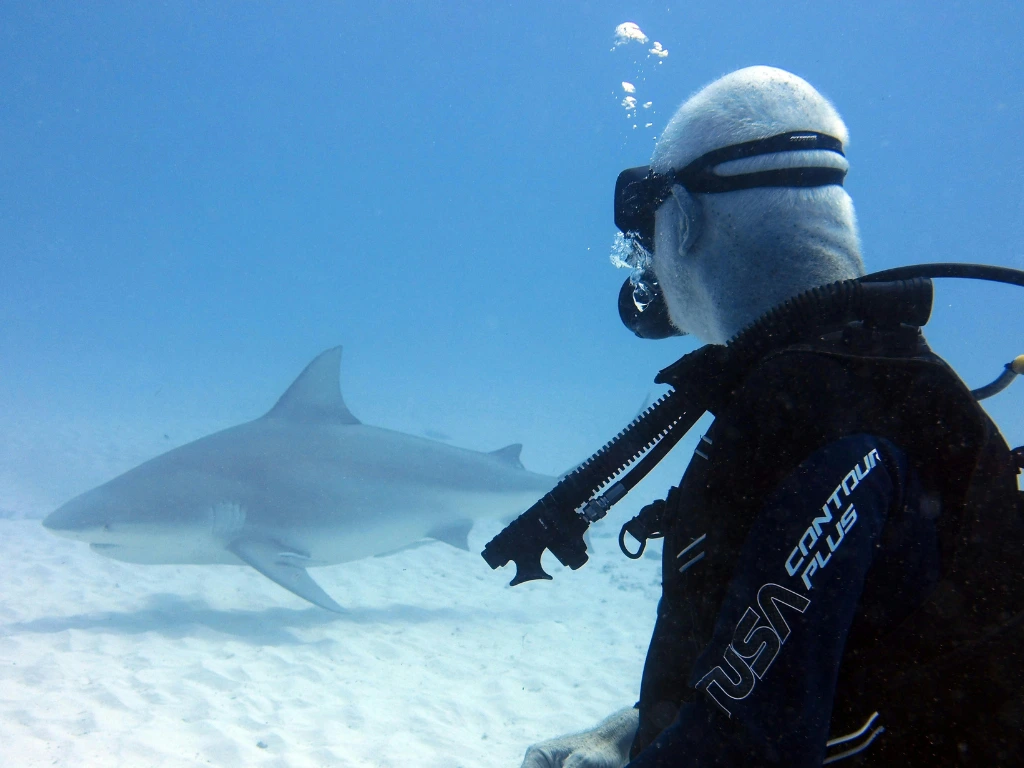
Although manta rays are the main reason people visit Makassar Reef, the site also supports a variety of marine life.
Some of the species commonly seen during dives include:
- Reef manta rays
- Eagle rays
- Green turtles
- White-tip reef sharks
- Giant trevallies
- Barracudas
- Sweetlips
- Anthias and fusiliers
- Blue-spotted stingrays
Macro life can also occasionally be found around coral patches and sandy areas, especially for divers who enjoy searching carefully along the seabed. The open underwater landscape creates a very different atmosphere compared to Komodo’s coral-covered pinnacles and reef walls. Many divers enjoy this contrast because it adds variety to their Komodo diving experience.
Diving Conditions and Experience Level
Makassar Reef is generally considered one of the more accessible manta dive sites in Komodo National Park. Currents are usually moderate and manageable, although they can still become stronger depending on tides and moon phases. Most dives are done as gentle drift dives following the current across the sandy reef. Because the dive profile is relatively shallow, bottom times are often longer compared to deeper Komodo dive sites.
The calmer conditions make Makassar Reef suitable for:
- Intermediate divers
- Manta ray enthusiasts
- Underwater photographers
- Divers improving drift diving skills
- Relaxed fun dives
However, good buoyancy control is still important, especially around manta cleaning stations where divers should avoid disturbing marine life or touching the seabed. For newer divers preparing for more advanced Komodo dives, joining a diving course in Komodo can help improve buoyancy, current awareness, and underwater confidence.
Best Time to Dive Makassar Reef
Makassar Reef can be dived throughout the year, but manta ray activity is often strongest between November and April when plankton levels increase around Komodo National Park. The higher concentration of plankton attracts manta rays to feeding and cleaning areas around Makassar Reef. Water temperatures in the area usually range between 25°C and 28°C, although cooler temperatures can occasionally appear during southern currents.
Visibility may vary depending on plankton density. During manta season, visibility sometimes decreases slightly, but this is often a good sign that larger marine life is active nearby. Many travelers combine Makassar Reef with nearby dive locations through fun diving trips in Komodo to experience both manta encounters and colorful reef diving during the same trip.
Exploring Makassar Reef from Labuan Bajo
Most divers explore Makassar Reef through daily dive trips departing from Labuan Bajo. Depending on sea conditions and itinerary routes, the boat journey usually takes around two to three hours. Because manta ray behavior depends heavily on ocean conditions, experienced local guides play an important role in choosing the best timing and dive approach for the site.
For many divers, Makassar Reef represents one of the most magical underwater experiences in Komodo National Park. Watching giant manta rays glide silently through the blue water creates memories that stay with travelers long after the trip ends.
Whether you are an underwater photographer, a marine life enthusiast, or simply someone dreaming of diving with manta rays, Makassar Reef deserves a place on your Komodo itinerary. If you are planning your next diving adventure in Labuan Bajo, you can contact Divers Paradise Komodo for more information about dive trips, diving courses, and Komodo diving experiences.
Latest Post

July 21, 2026
This website is created by Vic Ranci Digital Marketing
© 2024 Divers Paradise Komodo. All rights reserved.