
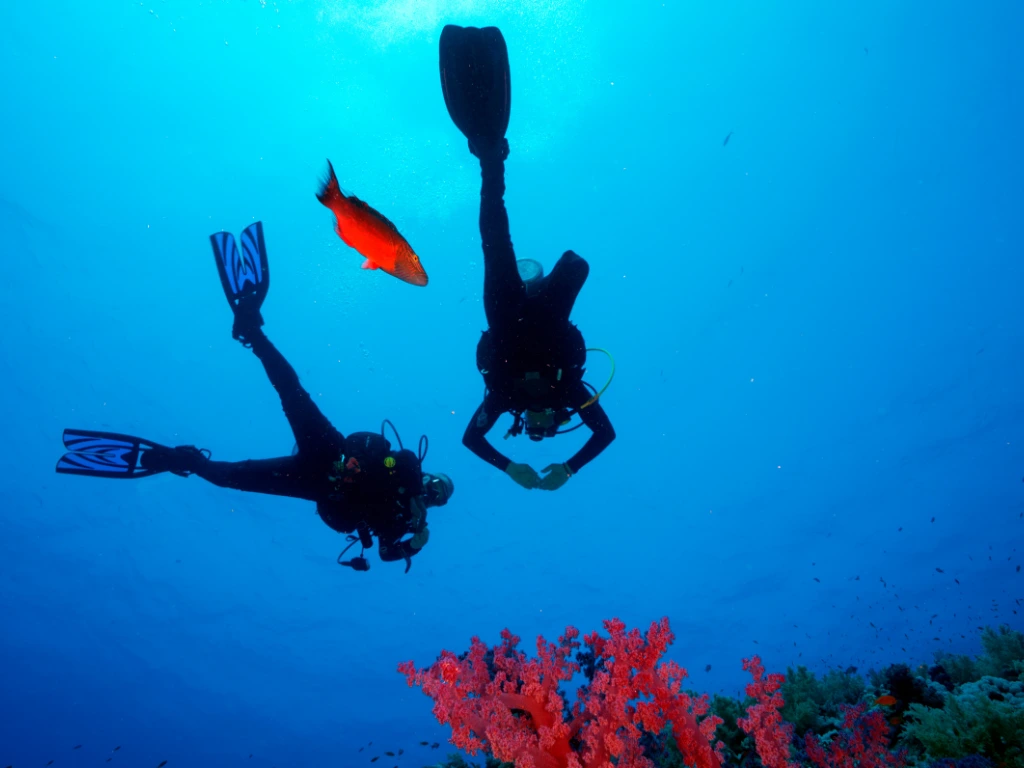
When Is the Best Time to Dive in Komodo? A Month-by-Month Guide
One of the questions we hear most often from divers planning a trip to Labuan Bajo is, “When is the best time to dive in Komodo?” The short answer is that there isn’t a bad time to dive in Komodo. Thanks to its tropical climate and incredible marine biodiversity, Komodo National Park offers world-class diving throughout the year. However, every season has its own unique characteristics. Some months bring exceptional underwater visibility, while others offer cooler water temperatures, stronger currents, or a higher chance of encountering majestic manta rays.
Choosing the right time to visit depends on what you’re hoping to experience. Are you dreaming of crystal-clear visibility for underwater photography? Would you like to see large schools of fish gathering around famous dive sites like Castle Rock? Or perhaps seeing manta rays is at the very top of your bucket list.
The good news is that Komodo offers something special in every season. Understanding the monthly changes in weather, sea conditions, and marine life will help you plan a trip that matches your expectations and diving experience. In this guide, we’ll walk you through each month of the year, explain what conditions you can expect, and help you decide when to visit one of the world’s most spectacular diving destinations.
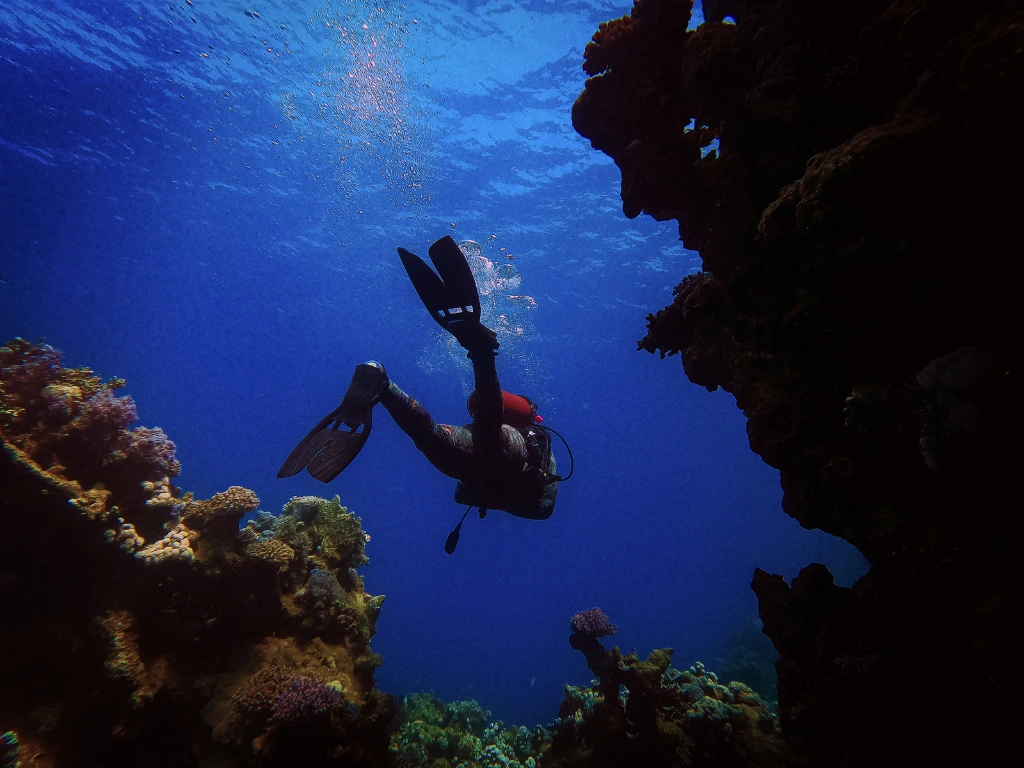
Can You Dive in Komodo All Year Round?
Unlike many destinations that have a short diving season, Komodo is a year-round diving destination. Thanks to its location between the Indian Ocean and the Flores Sea, the national park enjoys warm tropical weather throughout the year. Water temperatures generally range between 26°C and 29°C, although they can occasionally drop slightly in the southern dive sites during certain months due to nutrient-rich upwellings.
These seasonal changes are actually one of the reasons Komodo is so famous among divers. Cooler water brings an abundance of plankton, attracting manta rays and other pelagic species, while warmer months often reward divers with excellent visibility and colorful coral reefs bursting with life.
Regardless of when you visit, you’ll always have the opportunity to experience healthy reefs, fascinating macro life, turtles, reef sharks, and countless species of tropical fish. Rather than asking if there’s a good time to dive in Komodo, it’s often more useful to ask what kind of diving experience you’re looking for.
Dry Season vs Rainy Season
Many travelers assume the dry season automatically offers the best diving, but that’s not always the case. The dry season, generally from April to October, is known for sunny weather, calmer seas in many areas, and excellent underwater visibility. These conditions are ideal for underwater photography and exploring iconic dive sites around central and northern Komodo.
The rainy season, usually from November to March, brings occasional tropical showers, but rain rarely lasts all day. In fact, many divers are surprised by how enjoyable diving remains during these months. The landscape becomes greener, tourist crowds are generally smaller, and certain marine species become even more active.
Since diving takes place underwater, brief rain showers often have very little effect on the actual dive experience.
Diving in Komodo Month by Month
January
January is part of the rainy season, but diving remains excellent on many sites. Expect warm water, healthy reefs, and fewer boats compared to the peak travel months. Visibility may vary depending on weather conditions, but marine life remains abundant.
February
February offers similar conditions to January, making it a good choice for travelers seeking a quieter experience. Dive operators carefully select sites based on daily weather, ensuring enjoyable dives even during the wetter months.
March
As the rainy season begins to transition, underwater visibility often improves. Coral reefs are vibrant, fish activity is high, and visitor numbers are still relatively low compared to the middle of the year.
April
April marks the beginning of one of the most popular diving periods in Komodo. The weather becomes more stable, visibility improves significantly, and many divers consider this one of the best months to visit.
May
May combines calm seas, warm temperatures, and fantastic visibility. It’s an excellent month for both beginner and experienced divers, with ideal conditions for exploring famous sites such as Batu Bolong and Crystal Rock.
June
June continues the excellent conditions of late spring. Larger schools of fish become increasingly common, and many photographers choose this month for its reliable visibility and comfortable diving conditions.
July
July is one of the busiest months in Komodo. The weather is generally sunny, sea conditions are favorable, and marine life is spectacular. Booking your accommodation and dive trips well in advance is recommended during this period.
August
August offers similar conditions to July and remains one of the peak months for diving. Visibility is often excellent, making it a favorite for underwater photographers and experienced divers.
September
Many local dive professionals consider September one of the finest months of the year. Visitor numbers begin to decrease slightly after the holiday season, while underwater conditions remain exceptional.
October
October offers a wonderful balance between great weather and fewer crowds. Water temperatures remain comfortable, and many dive sites continue to provide outstanding visibility.
November
As the rainy season gradually returns, Komodo continues to deliver rewarding diving. Tropical showers become more frequent, but underwater life remains just as fascinating.
December
December brings lush green landscapes, festive holiday travelers, and excellent opportunities for diving. Although weather conditions can be less predictable, experienced dive operators continue to choose suitable dive sites based on daily forecasts.
Is There Really a “Best” Month?
If we had to choose, we’d say that April to June and September to October offer some of the most consistently favorable conditions for diving in Komodo. However, the “best” month ultimately depends on your priorities.
If you prefer quieter dive boats and a more relaxed atmosphere, the shoulder months can be a fantastic choice. If you’re happy to share the experience with more visitors in exchange for consistently excellent conditions, the peak dry season is well worth considering.
The truth is that Komodo is remarkable throughout the year, and every season offers unforgettable underwater encounters.
Frequently Asked Questions
Can beginners dive in Komodo year-round?
Yes. Experienced dive centers select dive sites based on your certification level, comfort, and daily sea conditions, making Komodo suitable for beginners throughout the year.
When is visibility at its best?
Visibility is often at its clearest during the dry season, particularly between April and October, although conditions can vary depending on tides and individual dive sites.
When is the best time to see manta rays?
Manta rays can be encountered throughout the year in Komodo. Their activity is influenced by local conditions, plankton availability, and cleaning station behavior, so sightings are never guaranteed—but they are always possible.
One of the things that makes Komodo so special is that there’s no single “perfect” season to visit. Every month offers a different experience, from calm, crystal-clear water and colorful coral reefs to thrilling drift dives and unforgettable encounters with large marine life.
Rather than planning your trip around a single month, think about the kind of diving adventure you want. Whether you’re taking your first breaths underwater or you’re an experienced diver returning for another expedition, Komodo has something extraordinary waiting for you.
Planning Your Dive Trip?
If you’re still unsure which month is the best for your visit, we’re always happy to help. At Divers Paradise Komodo, we dive these waters throughout the year and understand how conditions change from season to season. Get in touch with our team, and we’ll help you choose the best time to visit based on your experience level, travel dates, and the underwater encounters you’re hoping to experience.
Latest Post

July 21, 2026
This website is created by Vic Ranci Digital Marketing
© 2024 Divers Paradise Komodo. All rights reserved.