
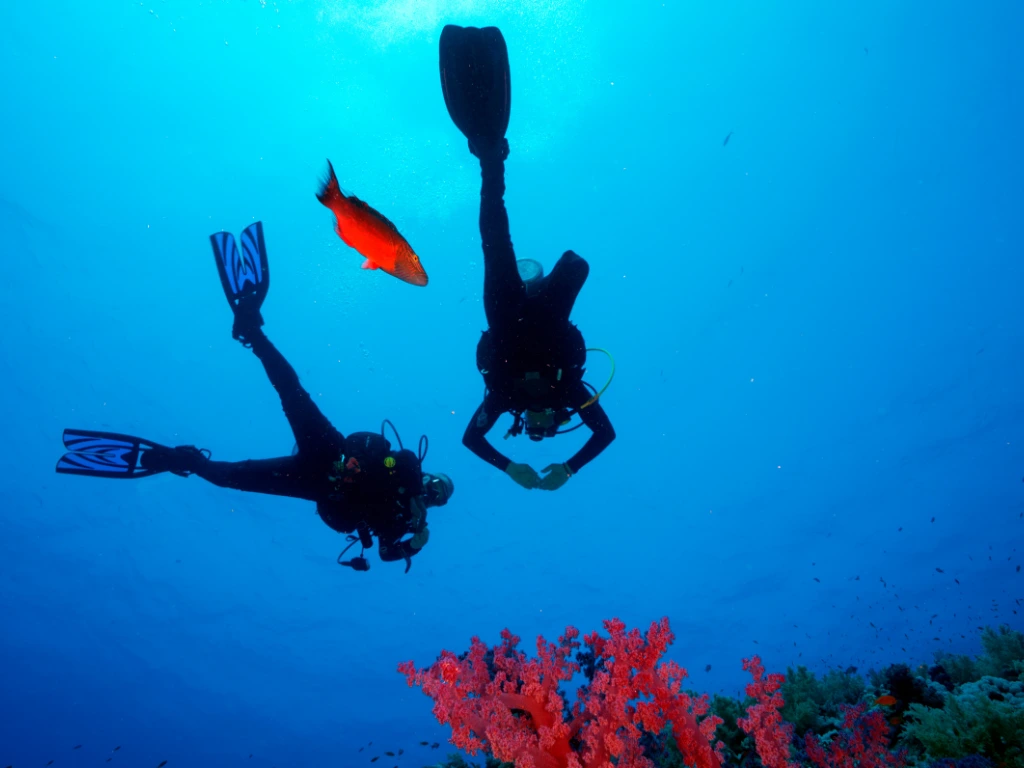
Castle Rock: The Ultimate Drift Dive in Komodo
Castle Rock is one of the most legendary dive sites in Komodo National Park and a must-visit location for experienced divers exploring Labuan Bajo. Famous for strong currents, shark encounters, and massive schools of fish, Castle Rock offers one of the most adrenaline-filled diving experiences in Indonesia. The site is often described as pure underwater action, where marine life surrounds divers from every direction.
Located in northern Komodo near Gili Lawa Laut, Castle Rock has become one of the signature dive sites that helped build Komodo’s global reputation as a world-class diving destination. For many advanced divers, Castle Rock is considered one of the best drift dives in Southeast Asia.
Where is Castle Rock?
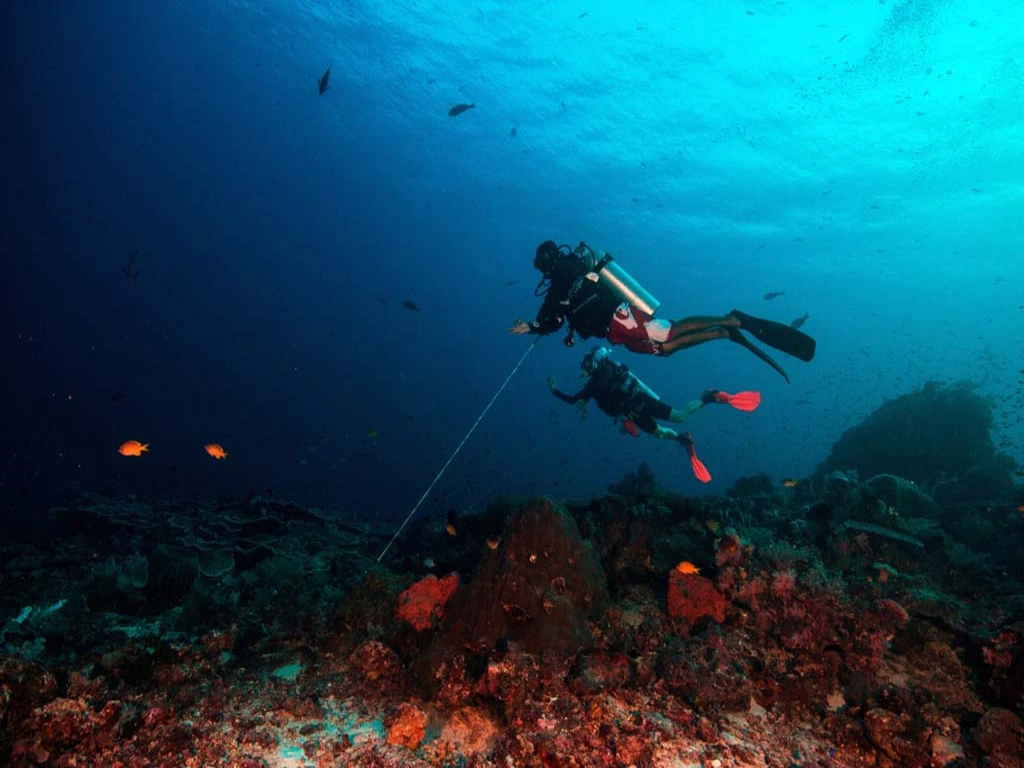
Castle Rock is located in the northern region of Komodo National Park near Crystal Rock and Gili Lawa Laut. The dive site is a submerged seamount rising from deep ocean water toward the surface. Because the pinnacle sits directly in strong ocean currents, nutrients constantly flow through the reef, attracting large schools of fish and pelagic species throughout the year.
At low tide, parts of the rock formation can sometimes become visible above the surface, giving the site its name. Castle Rock is also one of the most famous dive sites in Komodo for divers searching for high-energy drift diving and big fish encounters.
Why Divers Love Castle Rock
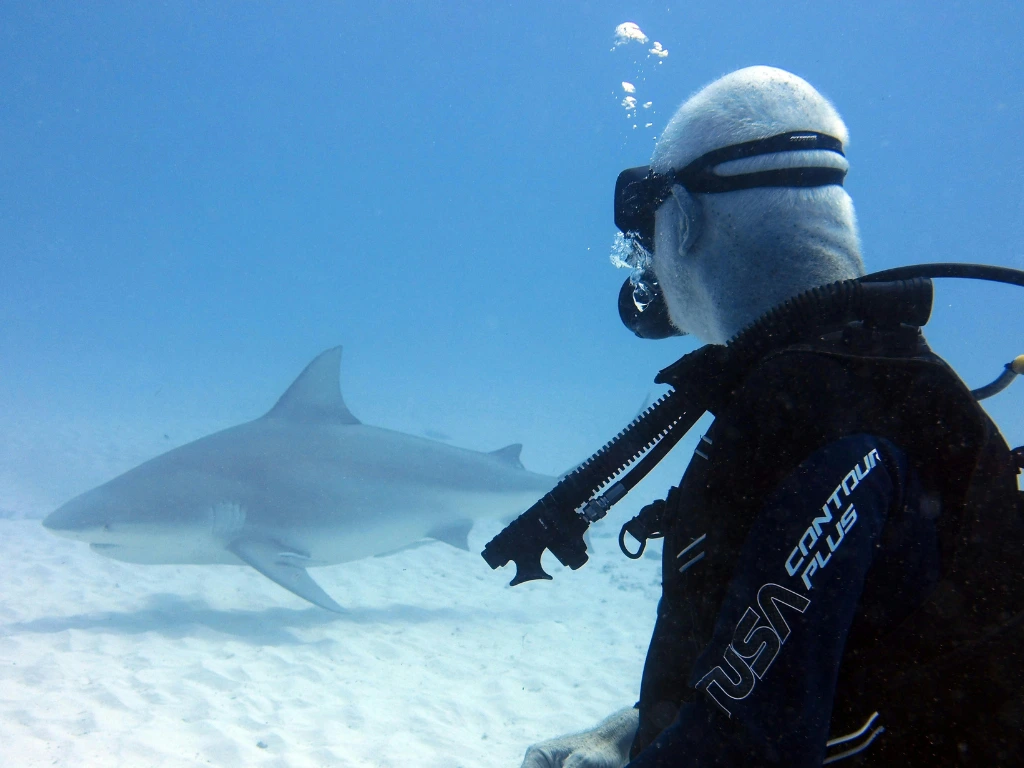
Castle Rock is all about marine life density and underwater movement. As divers descend onto the reef, they are often immediately surrounded by schools of fusiliers, giant trevallies, surgeonfish, and snapper moving rapidly through the current. Sharks patrol the deeper sections while tuna and barracudas cruise through the blue water around the pinnacle.
The dive site offers a powerful feeling of being inside an active marine ecosystem where predators and reef fish interact constantly. One of the biggest reasons divers love Castle Rock is the possibility of seeing multiple shark species during a single dive. Grey reef sharks and white-tip reef sharks are commonly spotted around the current zones.
The reef itself is covered with healthy hard corals, soft corals, and sea fans, adding color and structure to the underwater landscape. For underwater photographers, Castle Rock provides incredible opportunities for wide-angle photography, especially when fish schools gather densely around the pinnacle.
Marine Life Around Castle Rock
Castle Rock supports some of the richest marine biodiversity in northern Komodo. Some of the species commonly seen during dives include:
- Grey reef sharks
- White-tip reef sharks
- Giant trevallies
- Barracudas
- Tuna
- Napoleon wrasse
- Sweetlips
- Anthias and fusiliers
- Green turtles
During favorable conditions, divers may also encounter eagle rays, mobula rays, dolphins, and occasionally larger pelagic species moving through deeper water. The reef fish population is especially impressive because of the strong nutrient-rich currents flowing through the site year-round. Macro life also exists around the reef, although Castle Rock is mainly known for large fish activity and dramatic wide-angle diving scenes.
Diving Conditions and Experience Level
Castle Rock is generally recommended for advanced divers because currents can become very strong and unpredictable. Most dives begin with a negative entry, allowing divers to descend quickly and stay close to the reef before the current pushes them into open water. Divers often use rocks and reef structures for protection while observing fish activity around the current zones. In some areas, downcurrents may occur depending on tides and ocean conditions.
Good buoyancy control and previous drift diving experience are extremely important at Castle Rock. Because conditions can change rapidly, experienced local dive guides carefully monitor tides, current direction, and entry timing before every dive.
For divers who want to build stronger drift diving skills before exploring advanced Komodo sites, joining a diving course in Komodo can help improve buoyancy control, current awareness, and underwater confidence. Despite the stronger conditions, experienced divers often describe Castle Rock as one of the most exciting dives in Komodo National Park.
Best Time to Dive Castle Rock
Castle Rock can be dived throughout the year, but the best visibility and sea conditions are usually found between April and November during Komodo’s dry season. During this period, northern Komodo often experiences calmer surface conditions and visibility exceeding 25 meters on good days. Water temperatures generally range between 27°C and 29°C in the northern area, creating comfortable conditions for drift diving.
The dry season is especially popular because marine life remains highly active while visibility becomes clearer for underwater photography and pelagic encounters. Many divers combine Castle Rock with nearby northern dive sites through fun diving trips in Komodo to experience different reef structures, currents, and marine ecosystems during the same trip.
Exploring Castle Rock from Labuan Bajo
Most divers explore Castle Rock through day trips or liveaboards departing from Labuan Bajo. Depending on sea conditions and itinerary routes, the boat ride usually takes around two to three hours. Because Castle Rock is considered an advanced dive site, choosing an experienced dive operator is extremely important for safety and dive planning.
Professional local guides understand how to navigate the changing currents and position divers safely around the reef while maximizing marine life encounters. For many divers visiting Komodo National Park, Castle Rock becomes the dive they remember most. The combination of strong currents, sharks, schooling fish, and nonstop underwater action creates a truly unforgettable experience.
Whether you are an experienced drift diver or simply searching for one of Komodo’s most iconic underwater adventures, Castle Rock deserves a place on your diving itinerary. If you are planning a diving trip around Labuan Bajo, you can contact Divers Paradise Komodo for more information about dive trips, diving courses, and Komodo diving experiences.
Latest Post

July 21, 2026
This website is created by Vic Ranci Digital Marketing
© 2024 Divers Paradise Komodo. All rights reserved.