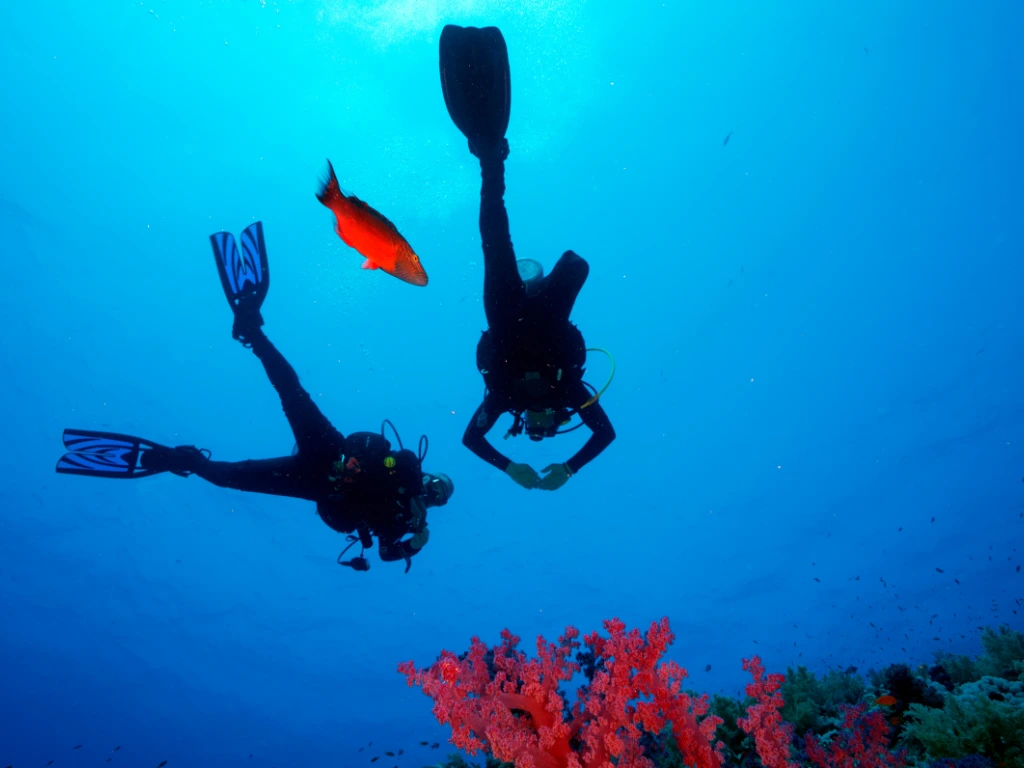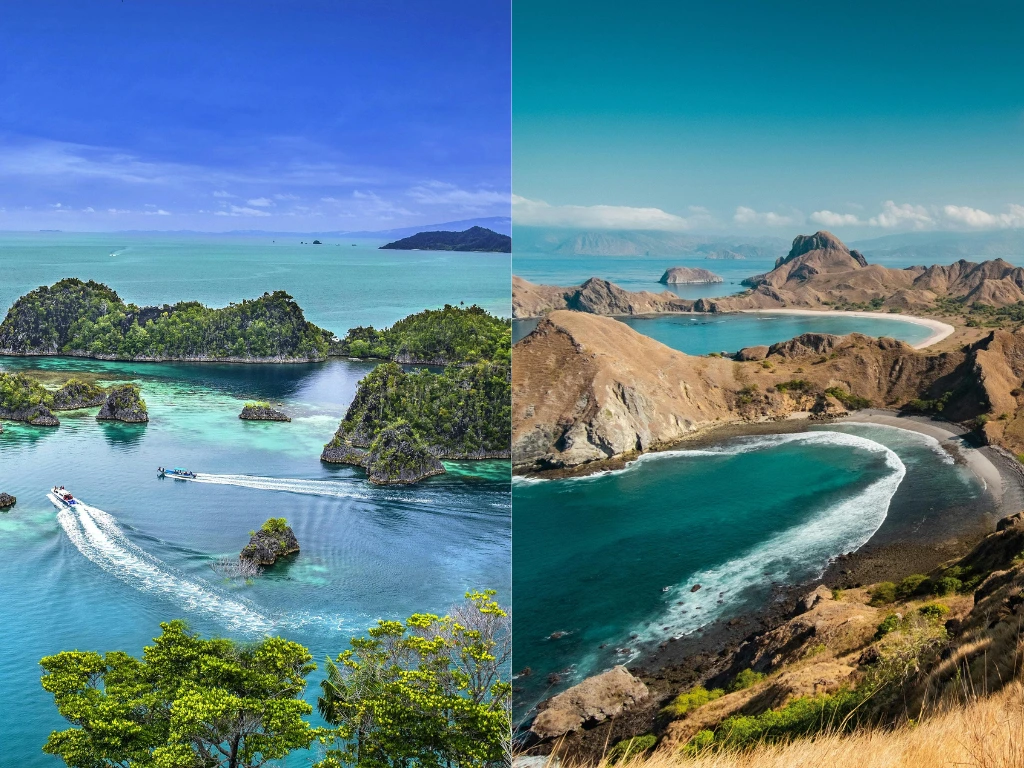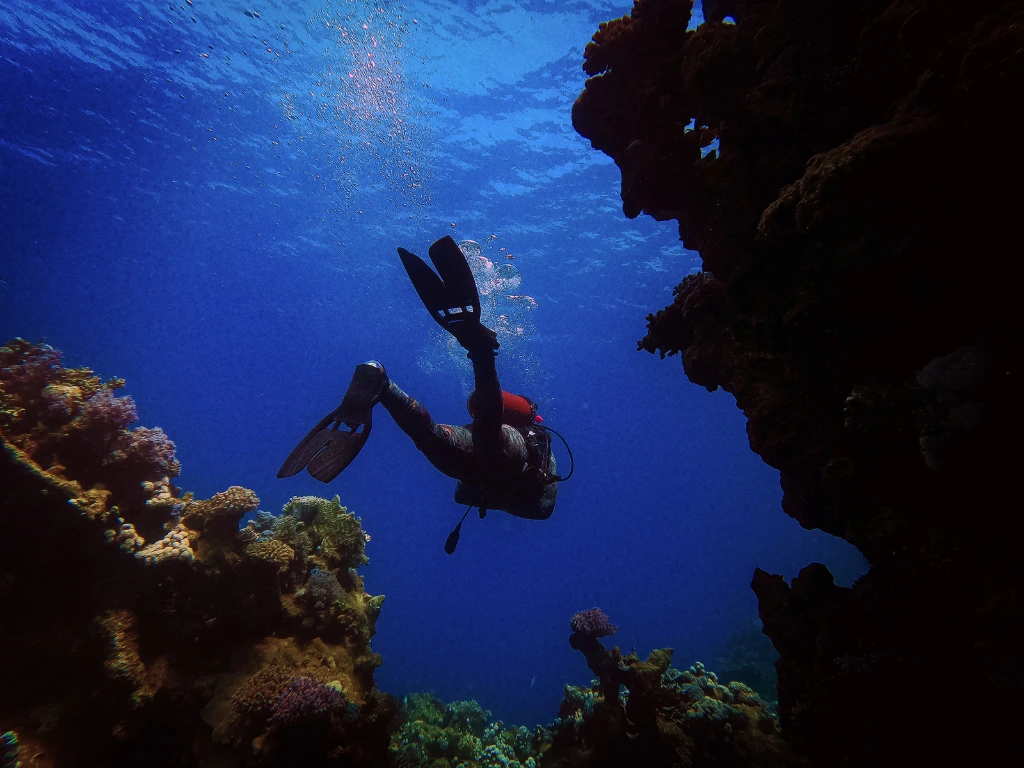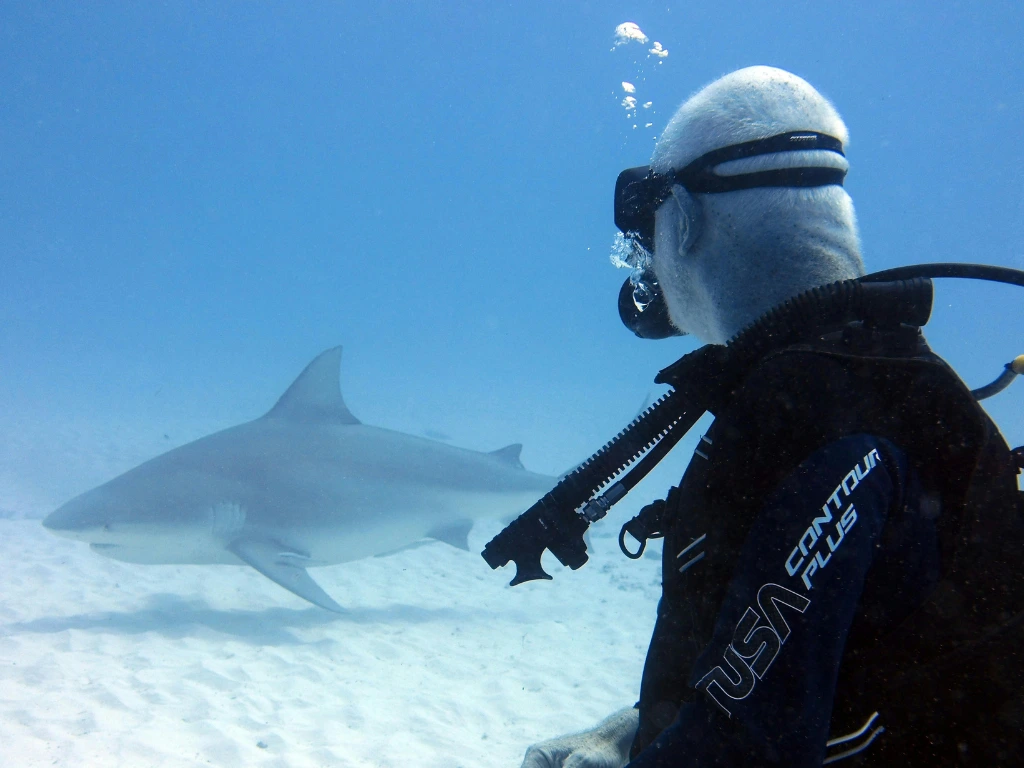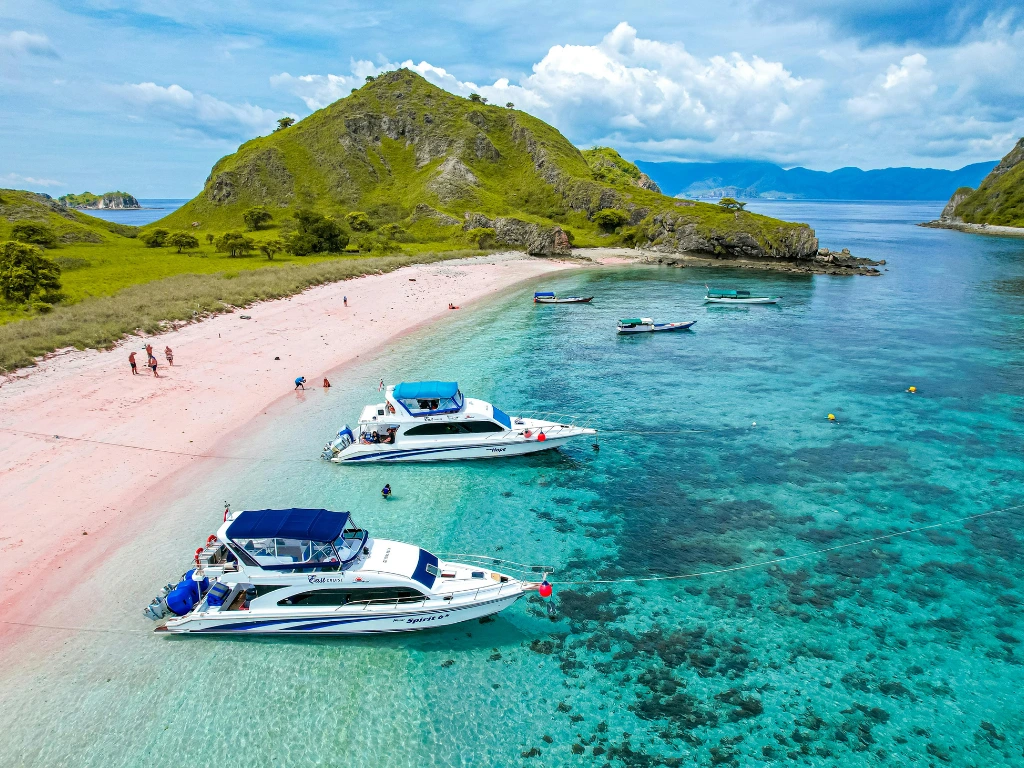
Komodo is one of a handful of places where the diving genuinely lives up to what is written about it. Manta rays at cleaning stations, reef sharks on every dive, schooling fish in numbers that block the light, and coral in better condition than most of Southeast Asia.
It is also more demanding than a lot of divers expect, and the practical side has changed in 2026. This is the complete picture: what the diving is actually like, who it suits, what it costs, and what you need to arrange before you arrive.
What makes the diving here different
Komodo sits between the Flores Sea to the north and the colder Indian Ocean to the south. Tide pushes enormous volumes of water through the channels between the islands twice a day, and that moving water carries nutrients.
Nutrients feed the reef, the reef feeds everything above it, and the result is biomass you do not see in calmer places. The current is not an unfortunate side effect of diving Komodo. It is the reason there is anything to look at.
It also means Komodo rewards divers who are comfortable in moving water. If you want to understand how that is actually managed on a dive day, we have written about how currents are planned around in detail.
The sites
Komodo’s sites fall into rough categories, and knowing which is which saves a lot of disappointment.
Exposed pinnacles and ridges. Castle Rock, Crystal Rock, Batu Bolong. Big fish action, strong conditions, the sites people travel for. Not where you want to be on your fifteenth dive.
Manta cleaning stations. Manta Point and Mawan. You hold position and watch mantas queue to be cleaned. Among the most reliable manta encounters anywhere.
Sheltered reefs and slopes. Siaba, Sebayur and similar. Easy conditions, excellent coral, where training dives happen and where newer divers have a genuinely good time rather than a stressful one.
Channels and drifts. The Cauldron and others, where you ride the flow through a passage. Enormous fun with the right briefing.
The full list of what we dive is on our dive sites page.
North and south
Worth understanding before you plan, because a lot of articles blur it.
The northern sites are what most Komodo diving actually is. Warm water, the famous pinnacles, reachable as a day trip from Labuan Bajo. This is what we run regularly.
The south is a different proposition: considerably further, colder water, and a longer day. We run it on request rather than as a routine trip. If a southern site is on your list, say so when you book, because it changes the shape of the trip rather than being something you decide on the morning.
Who Komodo suits
There is a persistent myth that Komodo is for advanced divers only. It is not true, and it costs people a trip they would have loved.
What is true is that your certification and your logged dives decide which sites you go to. A newly certified diver has a superb time here on sheltered reefs. A diver with two hundred logged dives gets Castle Rock on a running tide. Both are diving Komodo.
If you are newly certified or returning after a gap, our guide to diving Komodo as a beginner covers what to expect. If you are weighing Komodo against the other obvious Indonesian option, we have compared Komodo and Raja Ampat honestly.
When to come
Komodo dives year-round, but the seasons are not interchangeable. Conditions, visibility and what you are likely to see all shift through the year, and the busiest months are not automatically the best ones.
Our month-by-month guide goes through it properly rather than just saying “dry season”.
What it costs
Two separate things, and people conflate them constantly.
Your diving is charged by the dive centre. With us, the boat, your guide, tanks and full equipment are included — you do not rent gear on top.
The national park ticket is separate and paid in rupiah. A foreign diver pays IDR 275,000 per day in the park, an Indonesian visitor IDR 100,000. That is per calendar day, so three days of diving means three park tickets.
Our full breakdown of what diving Komodo costs puts the two together.
The thing most guides leave out
Since 1 April 2026 you cannot buy a park ticket on arrival. Every visitor has to be registered in the park’s online system, SiOra, before entering, at the latest the day before — and divers cannot register themselves. It has to be done by an operator.
We do that for you. You pay us the park fee in rupiah in Labuan Bajo and we handle the registration. What we need from you is passport details and a little notice.
This catches out independent travellers who assume they can arrange diving the night before. You often can — but only through someone who can still get you registered in time.
Day trips or liveaboard
Day trips from Labuan Bajo reach the northern sites comfortably. You sleep on land, eat where you like, and can mix diving days with island days. For most visitors this is the right answer.
A liveaboard earns its keep when you want the southern sites, or want to be on the water at dawn, or are diving four or five days straight. It costs more and commits you to a fixed itinerary.
Planning the trip
Fly into Labuan Bajo, usually via Bali. Give yourself more days than the minimum: conditions move, and a trip with no slack in it is a trip where one weather day costs you the dive you came for.
Leave at least 18 hours between your last dive and your flight out. Build in a non-diving day if you also want the dragons or Padar, rather than squeezing them between dives.
Start here
Tell us your certification level, roughly how many dives you have logged, and your dates. We will tell you which sites we would put you on, what the whole thing costs including park tickets, and get your registration sorted.
That conversation costs nothing and is the fastest way to find out whether Komodo is the trip you are imagining. Our fun diving trips are the usual starting point.
Park fees and registration rules last checked 27 October 2026. Confirm current figures with us when you book.