A Dive That Starts with Waiting, Not Action
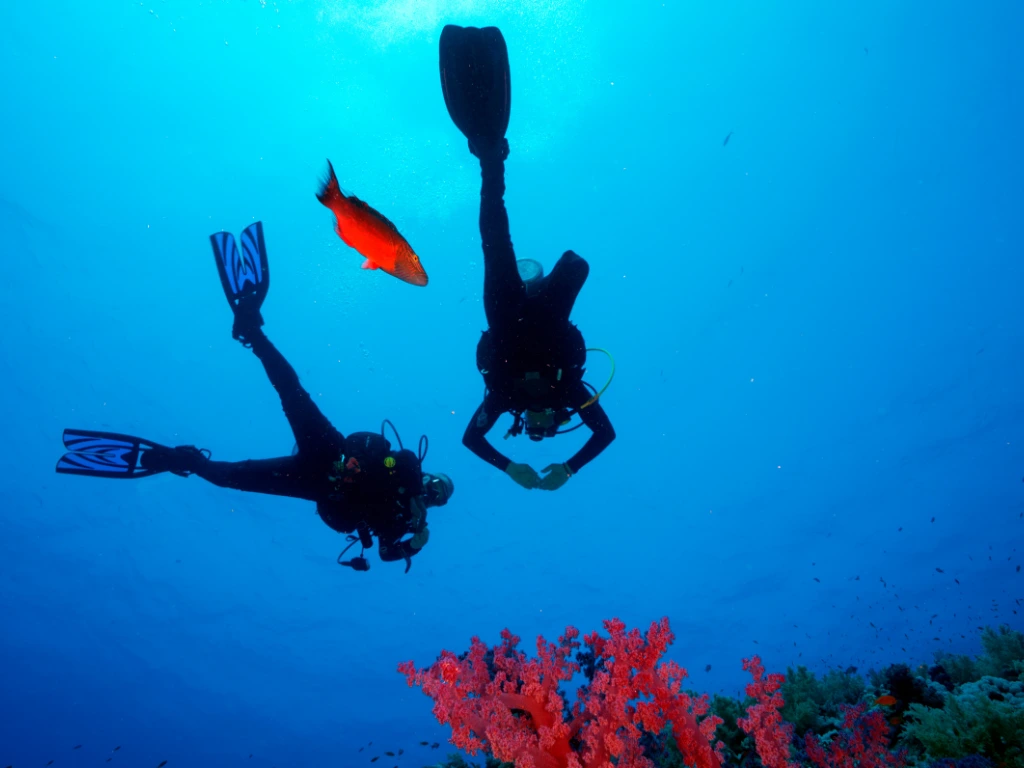
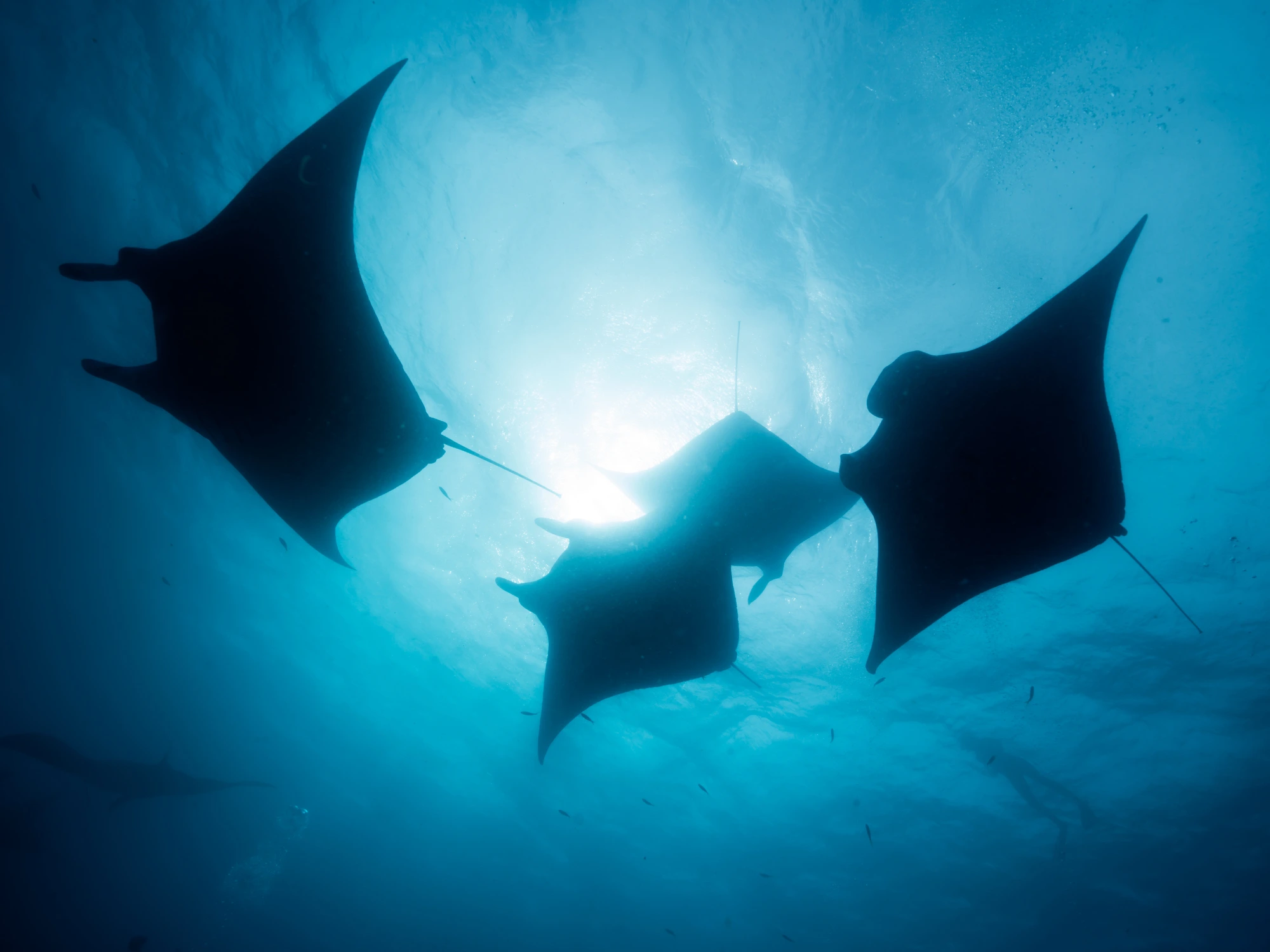
Manta Alley doesn’t always start with immediate excitement. You often begin by positioning yourself near reef structures or cleaning stations, staying still or drifting slowly while watching the blue water. At first, nothing may appear. Then, out of the open water, the first manta ray arrives. And then another.
And sometimes several at once, circling slowly above the reef as they pass through cleaning zones or feed in the current. The dive becomes less about movement and more about observation.
Why Divers Come Here
The main reason divers travel to Manta Alley is straightforward: manta rays in a remote setting. But what makes it different from other manta sites is the environment itself. It feels more natural and less predictable. Encounters are not staged or guaranteed in a fixed spot—they depend on ocean conditions and animal behavior.
When it works, it feels incredibly organic. Mantas glide in and out of visibility, sometimes close enough to hear their movement in the water. Other times they stay deeper, moving through the blue just beyond reach. This unpredictability is part of the appeal.
Marine Life Beyond the Mantas
While manta rays are the highlight, Manta Alley still supports a wider ecosystem. You can also encounter:
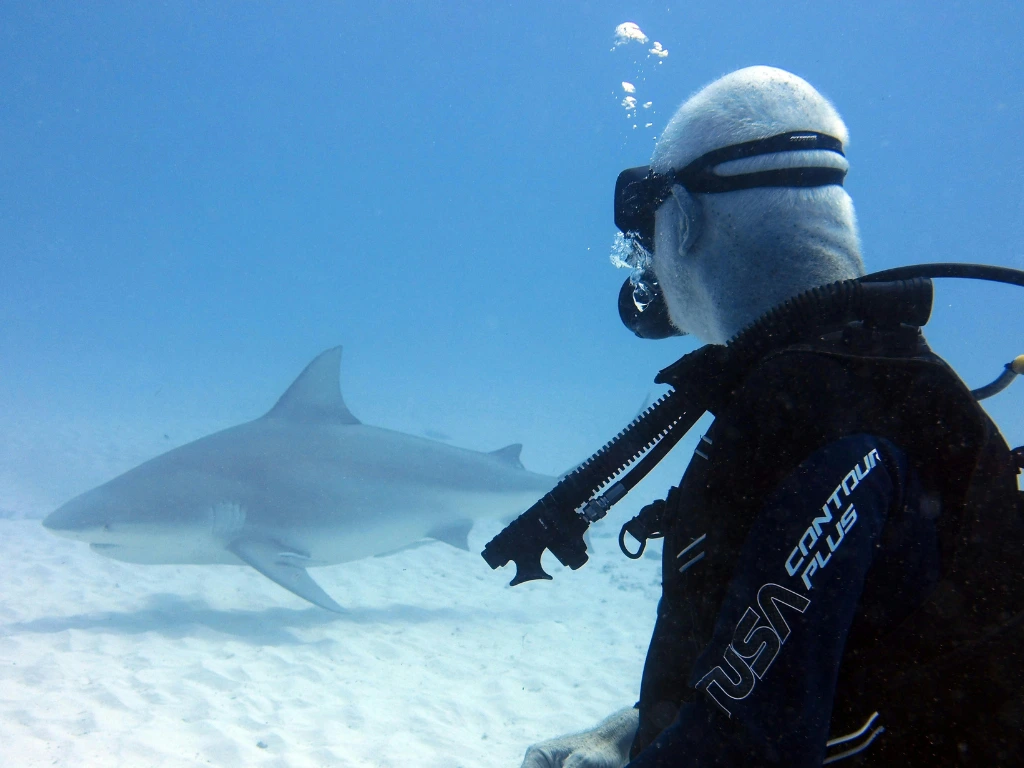
- Reef sharks moving along deeper edges
- Giant trevallies hunting in open water
- Barracudas in loose formations
- Tuna passing through the current
- Napoleon wrasse near reef structures
- Schools of fusiliers and reef fish
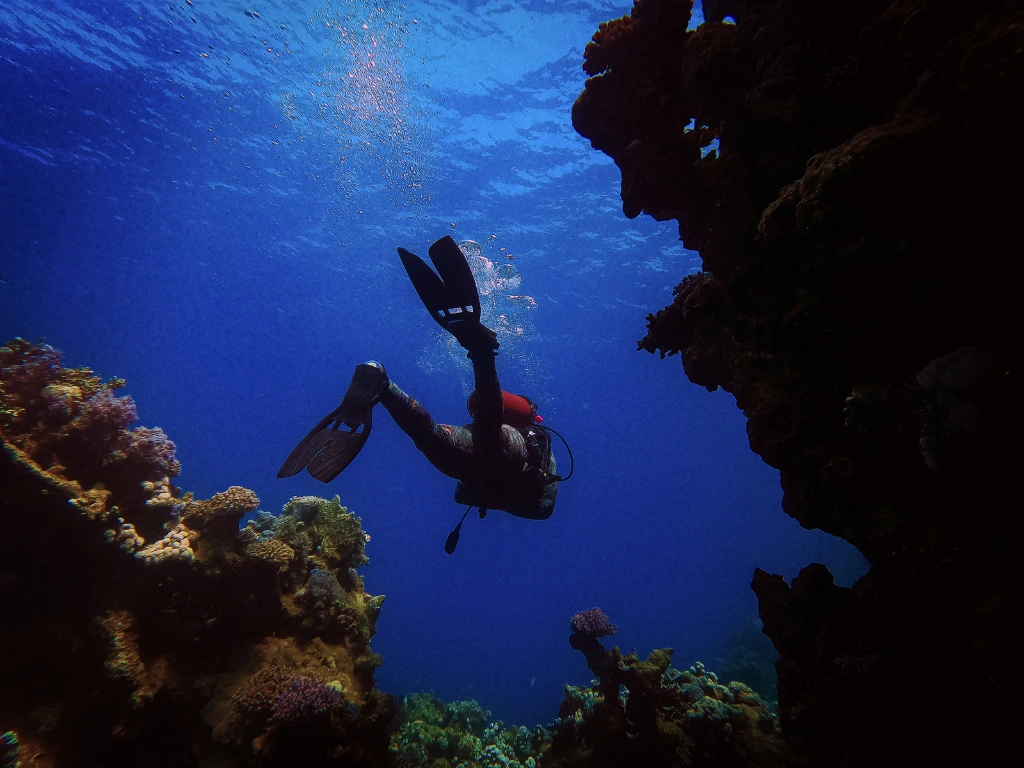
The reef itself is shaped by strong exposure to ocean conditions, so it feels more rugged compared to central Komodo sites. Life here is adapted to movement, current, and open space.
Conditions That Shape Everything
Manta Alley is heavily influenced by southern Komodo conditions, which means everything depends on tides, swell, and plankton levels. Currents can range from calm drifting to stronger flow depending on the day. Visibility can also change—sometimes clear and blue, other times slightly reduced due to plankton presence, which is exactly what attracts manta rays.
This is not a site where conditions are ignored. They define the entire dive. Divers need comfort in current diving and good buoyancy control to stay relaxed in changing flow. For those still building confidence in Komodo’s more dynamic sites, a diving course in Komodo helps prepare for real ocean conditions like these.
A Southern Komodo Experience, Not a Northern One
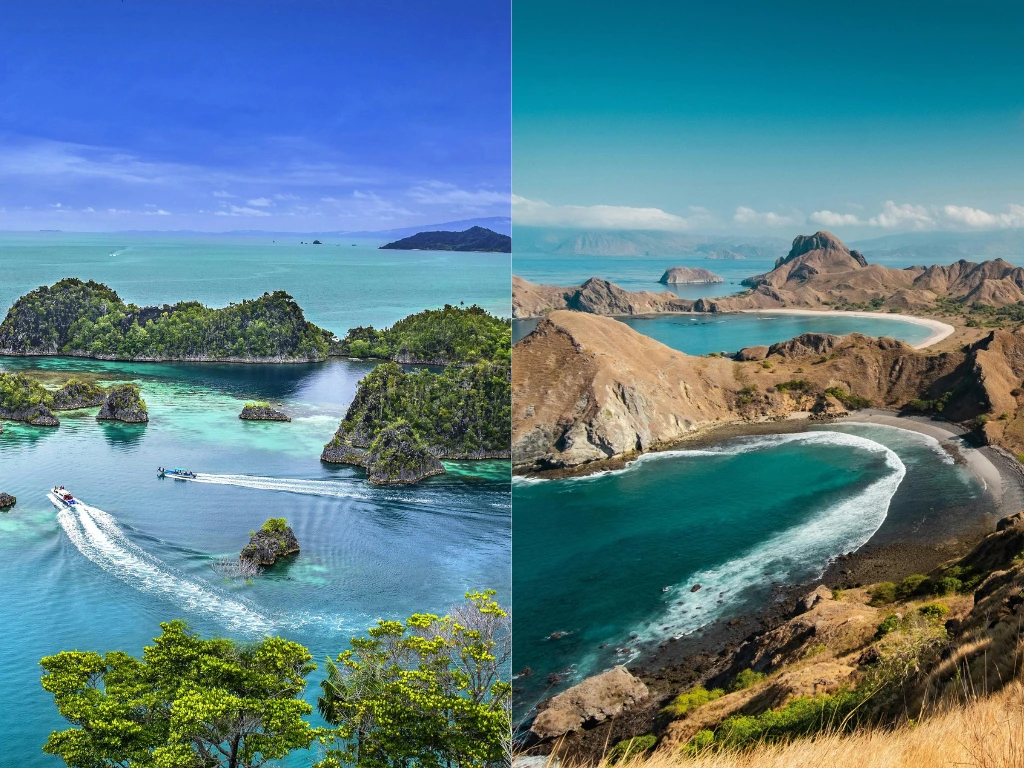
Manta Alley feels different from Komodo’s northern dive sites like Crystal Rock or Castle Rock. Everything here is more open, more influenced by the Indian Ocean, and often more remote. There are fewer boats, fewer divers, and a stronger sense of distance from the main diving areas near Labuan Bajo.
That’s why many divers describe it as a “special trip within the trip.” It is often included in fun diving trips in Komodo when conditions allow access to the southern region. Reaching Manta Alley requires a longer journey, usually by liveaboard or extended dive trip from Labuan Bajo.
Because it is in the southern Komodo region, access depends heavily on weather and sea conditions. Not every trip reaches this far, and not every day allows diving here. When conditions are right, however, it becomes one of the most rewarding dives in the entire park.
Experienced dive operators plan carefully around tides and manta activity to maximize the chances of encounters. If you want to include Manta Alley in your Komodo diving itinerary, you can plan your trip through Divers Paradise Komodo for guided diving, courses, and tailored dive experiences.