
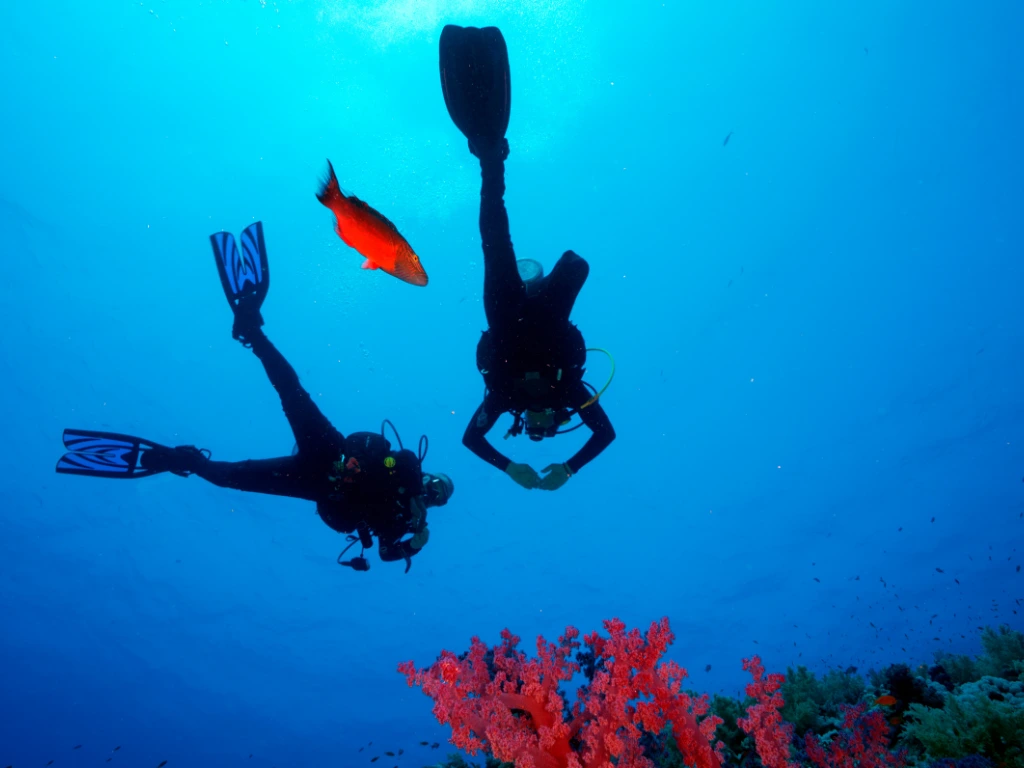
The Ultimate Guide to Diving in Komodo National Park
Imagine descending beneath crystal-clear tropical waters where vibrant coral reefs stretch in every direction, manta rays glide effortlessly overhead, sea turtles drift peacefully through the current, and enormous schools of fish surround you in every direction. This isn’t a dream reserved for nature documentaries—it’s an experience waiting for you in Komodo National Park.
While many travelers know Komodo for its famous dragons and dramatic islands, divers recognize it as one of the world’s greatest underwater destinations. Located in the heart of Indonesia’s Coral Triangle, the park offers extraordinary biodiversity, thrilling drift dives, colorful reefs, and marine encounters that attract scuba enthusiasts from across the globe.
Whether you’re planning your very first dive trip or returning to discover new sites, this guide brings together everything you need to know. Instead of searching across dozens of websites, you’ll find practical advice, expert recommendations, and links to detailed guides that help you plan your adventure with confidence.
Why Is Diving in Komodo National Park So Special?
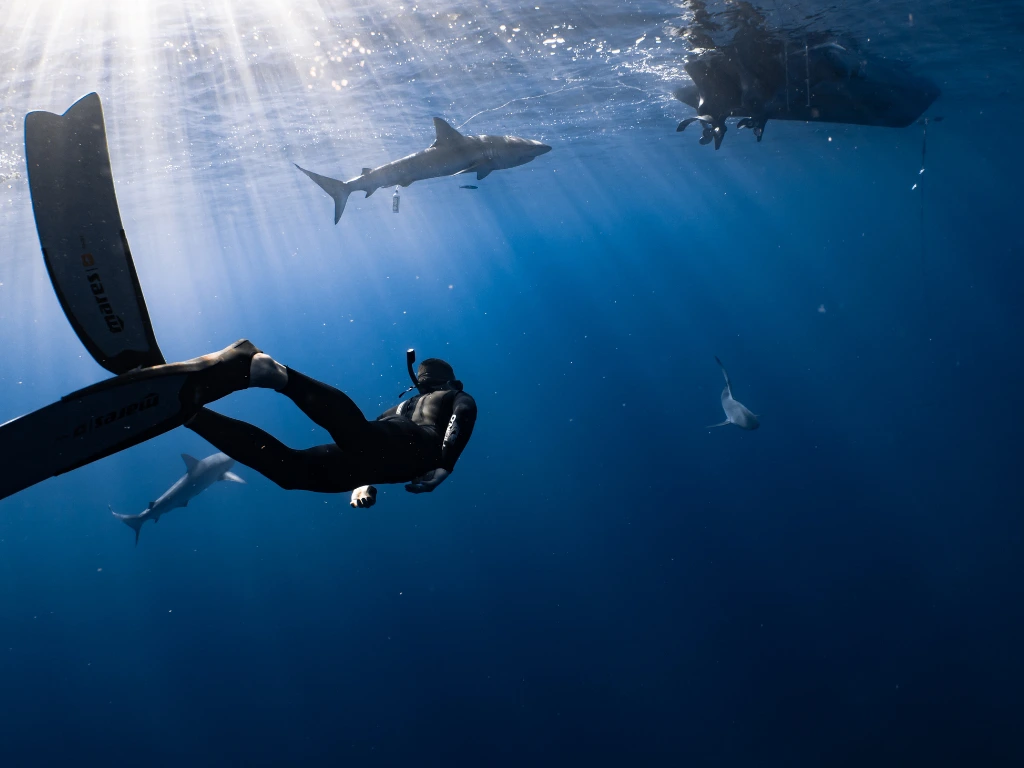
Komodo National Park sits where the Indian Ocean meets the Pacific Ocean, creating nutrient-rich waters that support one of the most diverse marine ecosystems on Earth. More than just beautiful coral reefs, Komodo offers an underwater landscape filled with dramatic pinnacles, sloping reefs, sandy bays, seamounts, and vibrant coral gardens. Every dive feels different because tides, currents, and marine life constantly change.
Divers regularly encounter:
- Reef manta rays.
- Green and hawksbill turtles.
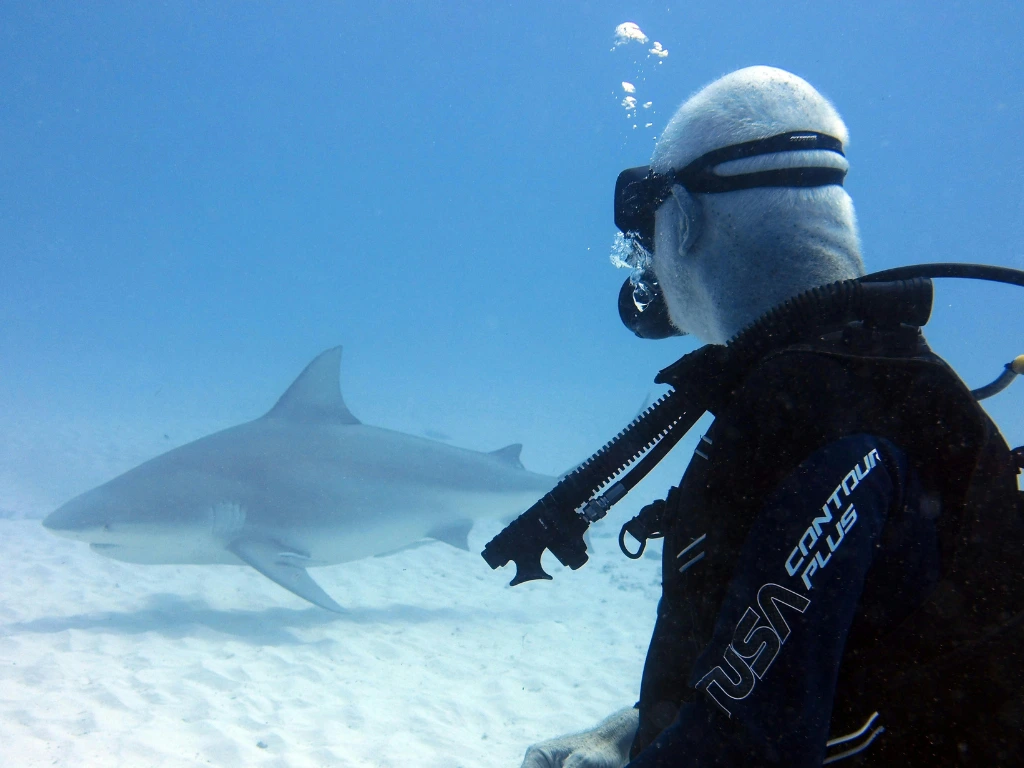
- Reef sharks.
- Napoleon wrasse.
- Giant trevallies.
- Barracuda schools.
- Tuna.
- Frogfish.
- Pygmy seahorses.
- Nudibranchs.
- Octopus.
- Eagle rays.
- Hundreds of tropical reef fish species.
It’s this incredible variety that keeps divers coming back year after year.
Is Komodo Suitable for Beginners?
One of the biggest myths about Komodo is that it’s only for advanced divers. While some famous sites feature strong currents, many others are suitable for newly certified divers and even people trying scuba diving for the first time through a Discover Scuba Diving experience. Professional dive centers evaluate daily sea conditions and choose dive sites that match each diver’s certification level, experience, and confidence. If you’re interested in learning more, read our dedicated guide on Komodo Diving for Beginners.
What Certification Do You Need?
Another common question is whether Advanced Open Water certification is required. The answer depends on the dive sites you plan to visit. Many incredible dives are accessible to Open Water divers, while deeper or more challenging locations may require Advanced certification and additional experience. If you haven’t dived recently, a refresher session is often recommended before joining regular fun dives. For a complete breakdown, see our guide on Komodo Diving Certification Requirements.
When Is the Best Time to Dive?
Komodo offers excellent diving throughout the year. Instead of asking, “What’s the best month?” ask yourself:
- Do I want the clearest visibility?
- Am I hoping to see manta rays?
- Do I prefer quieter travel periods?
- Is underwater photography a priority?
Different seasons offer different advantages, and experienced dive operators adjust dive plans based on daily conditions. For a detailed month-by-month overview, explore our article on Best Time to Dive in Komodo.
How Much Does Diving Cost?
Budget is naturally one of the first considerations when planning your trip.
Costs vary depending on:
- Number of diving days.
- Equipment rental.
- National park fees.
- Certification courses.
- Liveaboard versus day trips.
Rather than focusing only on price, think about overall value.
Smaller groups, experienced guides, comfortable boats, and well-maintained equipment often justify paying slightly more.
For detailed pricing information, read Komodo Diving Cost.
Day Trips or Liveaboards?
This is one of the biggest decisions you’ll make.
Day Trips
Perfect for:
- First-time visitors.
- Divers staying in Labuan Bajo.
- Flexible travel schedules.
- Families.
- Budget-conscious travelers.
Liveaboards
Ideal for:
- Longer holidays.
- Experienced divers.
- Underwater photographers.
- Access to remote dive sites.
- Multiple dives each day.
Neither option is objectively better. The right choice depends entirely on your travel style.
Marine Life Highlights
One of Komodo’s greatest strengths is its incredible diversity. During a typical diving holiday, you might encounter:
Manta Rays
One of Komodo’s signature experiences. Learn more in our guide to Manta Ray Diving in Komodo.
Sea Turtles
Frequently spotted resting on healthy coral reefs.
Reef Sharks
Generally shy and completely accustomed to divers.
Macro Life
Tiny nudibranchs, colorful shrimp, frogfish, pygmy seahorses, and octopus delight underwater photographers.
Schooling Fish
Massive schools of fusiliers, jacks, barracuda, and surgeonfish create unforgettable underwater scenes.
Choosing the Right Dive Center
Your dive center influences every part of your trip.
When comparing operators, consider:
- Safety standards.
- Guide experience.
- Boat comfort.
- Equipment quality.
- Group sizes.
- Reviews.
- Environmental commitment.
The cheapest option isn’t always the best value.
Read our full guide on Choosing the Best Dive Center in Komodo before booking.
Local Expert Notes
After years of welcoming divers to Labuan Bajo, there are a few practical tips that consistently make a difference:
- Stay at least three nights if diving is your main priority.
- Avoid scheduling your flight home on the same day as your final dives. Besides the recommended no-fly interval after scuba diving, an extra night gives you flexibility if weather or sea conditions affect boat schedules.
- Bring your own mask if it fits you well. A familiar mask often makes your dives more comfortable.
- Listen carefully during every dive briefing. Conditions in Komodo can change quickly, and your guides plan each dive based on the latest information.
- Leave room in your itinerary to enjoy Labuan Bajo itself. Great cafés, seafood restaurants, and sunset viewpoints are part of the experience.
These small decisions often have a big impact on your trip.
Sample 5-Day Diving Itinerary
Day 1
- Arrive in Labuan Bajo.
- Equipment check.
- Relax and explore the waterfront.
Day 2
- Three fun dives in central Komodo.
- Sunset dinner in town.
Day 3
- Three dives focused on larger marine life and manta ray sites (conditions permitting).
Day 4
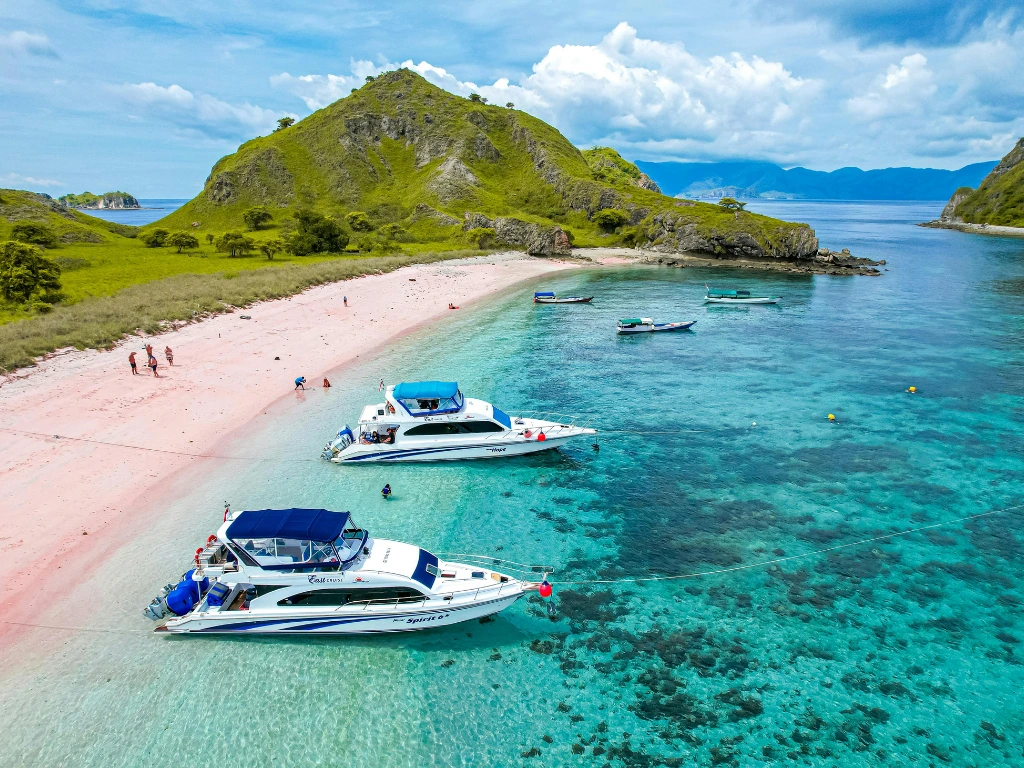
- Additional diving or a day trip to Padar Island and Komodo Island.
Day 5
- Enjoy a relaxed morning before your departure, ensuring you’ve observed the recommended no-fly interval after diving.
This itinerary provides a balance between diving and experiencing the natural beauty of the region without feeling rushed.
Frequently Asked Questions
Is Komodo better than Raja Ampat?
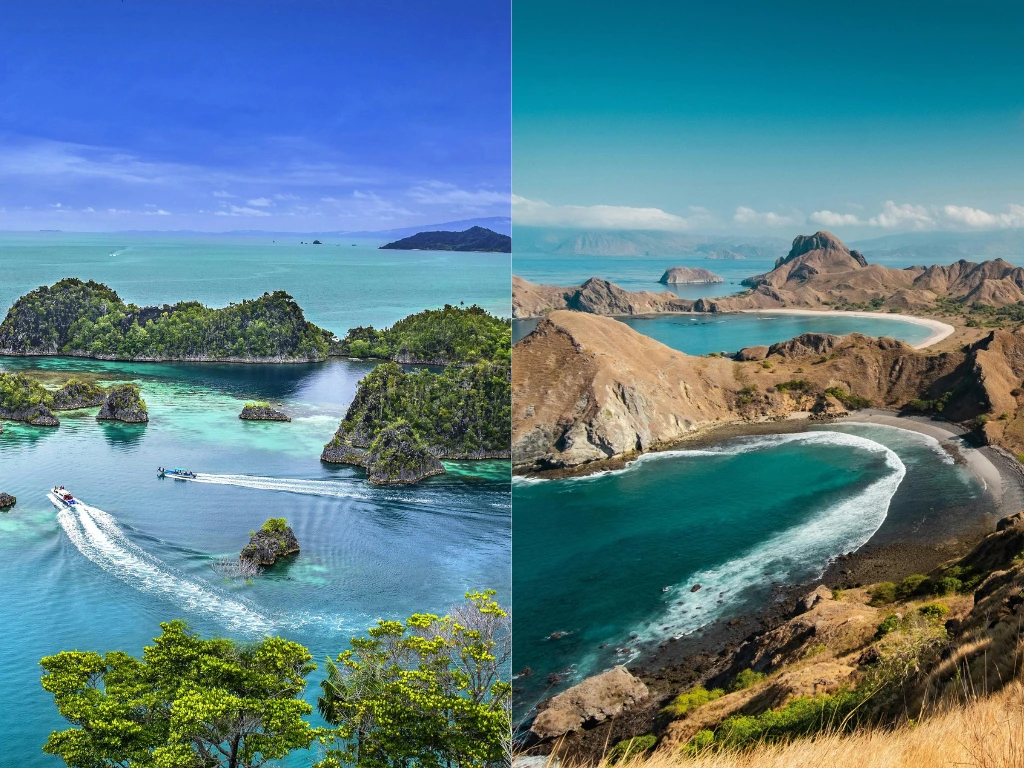
Both are world-class destinations. Komodo is renowned for exhilarating drift dives, manta rays, and dramatic underwater topography, while Raja Ampat is celebrated for its unmatched marine biodiversity and vibrant coral reefs. Your choice depends on the experience you’re seeking.
Can beginners dive in Komodo?
Yes. Many sites are suitable for beginners, and experienced dive centers select locations based on your certification and comfort level.
Are manta rays guaranteed?
No. Manta rays are wild animals, so sightings can never be guaranteed. However, Komodo is one of the most reliable places in the world to encounter them.
How many days should I dive?
Two to three diving days are an excellent starting point. If you have more time, extending your stay allows you to experience a greater variety of dive sites and conditions.
Should I bring my own equipment?
If you own well-fitting personal gear such as a mask or dive computer, bringing those items can improve comfort. Most professional dive centers provide high-quality rental equipment for everything else.
Diving in Komodo National Park is much more than a holiday activity—it’s an opportunity to experience one of the richest marine environments on the planet. From graceful manta rays and healthy coral reefs to world-class drift dives and unforgettable island scenery, every day offers something new.
Whether you’re taking your first breaths underwater or adding another destination to your dive log, careful planning and choosing a reputable dive center will help you make the most of your adventure. Komodo has earned its reputation as one of the world’s premier diving destinations, and once you’ve experienced it yourself, you’ll understand why so many divers return again and again.
Ready to Explore Komodo’s Underwater World?
If you’re planning a diving holiday in Komodo National Park, the team at Divers Paradise Komodo is here to help. From fun diving and certification courses to personalized advice on the best season, dive sites, and travel itinerary, we’ll help you create a safe, enjoyable, and unforgettable experience. Get in touch with us to start planning your next underwater adventure—we’d love to welcome you to Komodo.
Latest Post

July 21, 2026
This website is created by Vic Ranci Digital Marketing
© 2024 Divers Paradise Komodo. All rights reserved.