A Reef That Feels Full of Detail
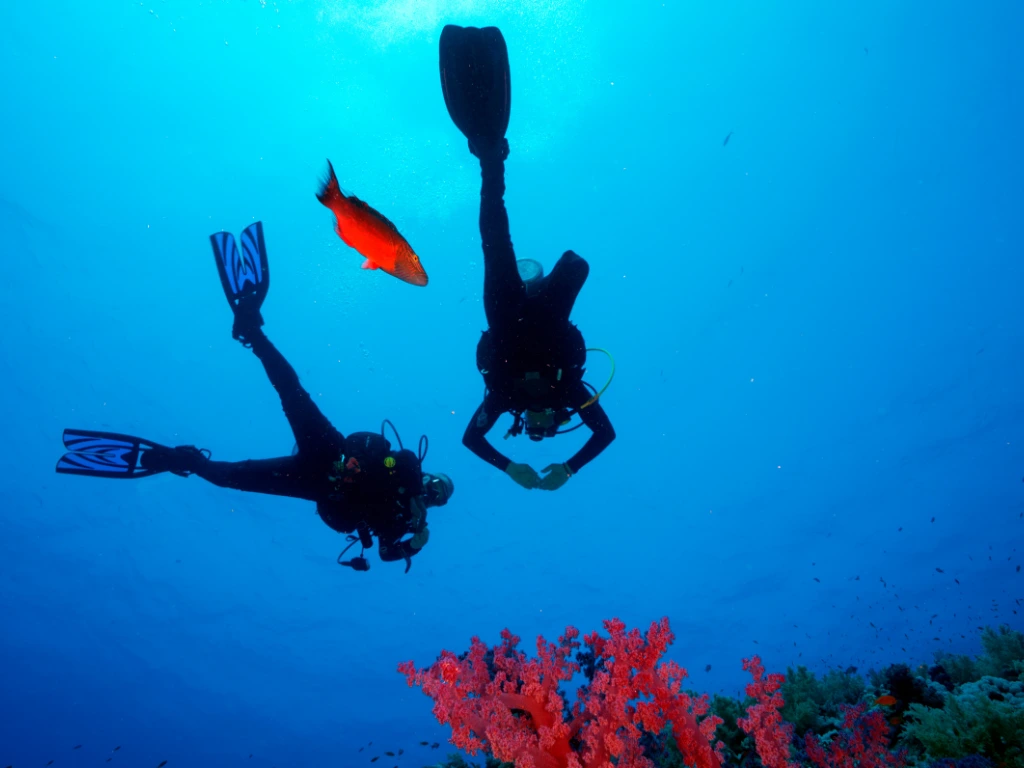
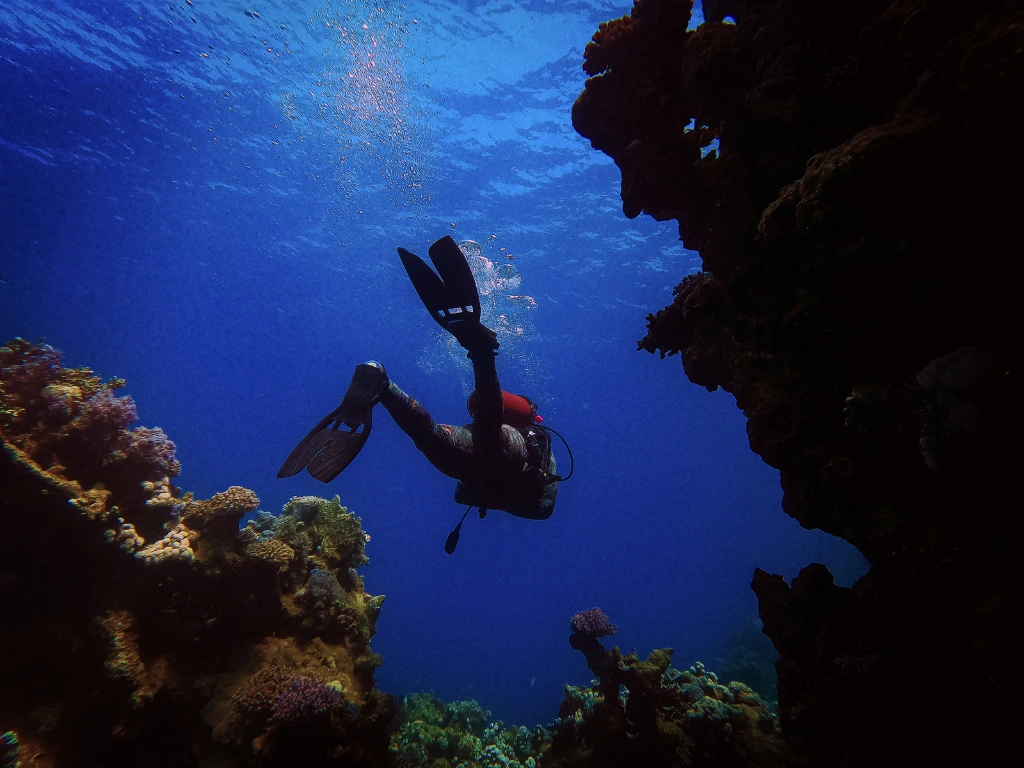
The first thing most divers notice at Yellow Wall is how visually dense the reef feels. Instead of wide open water or dramatic channels, the dive is centered around a sloping wall covered with coral growth, small reef life, and constant color variation.
Yellow soft corals create the site’s signature look, especially when sunlight reaches the wall and reflects across the reef. As you drift slowly along the structure, new details keep appearing—small reef fish hiding between coral branches, nudibranchs moving across surfaces, and schools of anthias hovering above the reef in bright orange clouds. It’s not a dive built around one big moment. It’s a dive made from hundreds of small ones.
Why Divers Appreciate Yellow Wall
Yellow Wall usually surprises people. Many divers arrive expecting Komodo to be all about current and pelagic action. Then they reach sites like this and realize how diverse the region actually is. The experience here feels more relaxed and observational. You move slower, stay closer to the reef, and spend more time appreciating texture, color, and smaller marine life.
Photographers especially enjoy Yellow Wall because visibility is often good and the reef offers constant subjects at every depth. It’s one of those sites where you can finish the dive feeling like you barely saw the same thing twice.
Calm Conditions with Gentle Movement
Compared to northern Komodo dive sites, Yellow Wall is usually much more forgiving. Currents are generally mild to moderate, creating a comfortable drift without the intense movement found at places like The Cauldron or Castle Rock. This makes the site suitable for divers who enjoy slower exploration dives or who want a break between stronger current sites.
Even though conditions are calmer, buoyancy control still matters because much of the beauty sits directly on the reef wall itself. For divers improving underwater control and reef awareness, a diving course in Komodo can help build the confidence needed to fully enjoy coral-focused dives like this.
Marine Life Hidden Inside the Reef
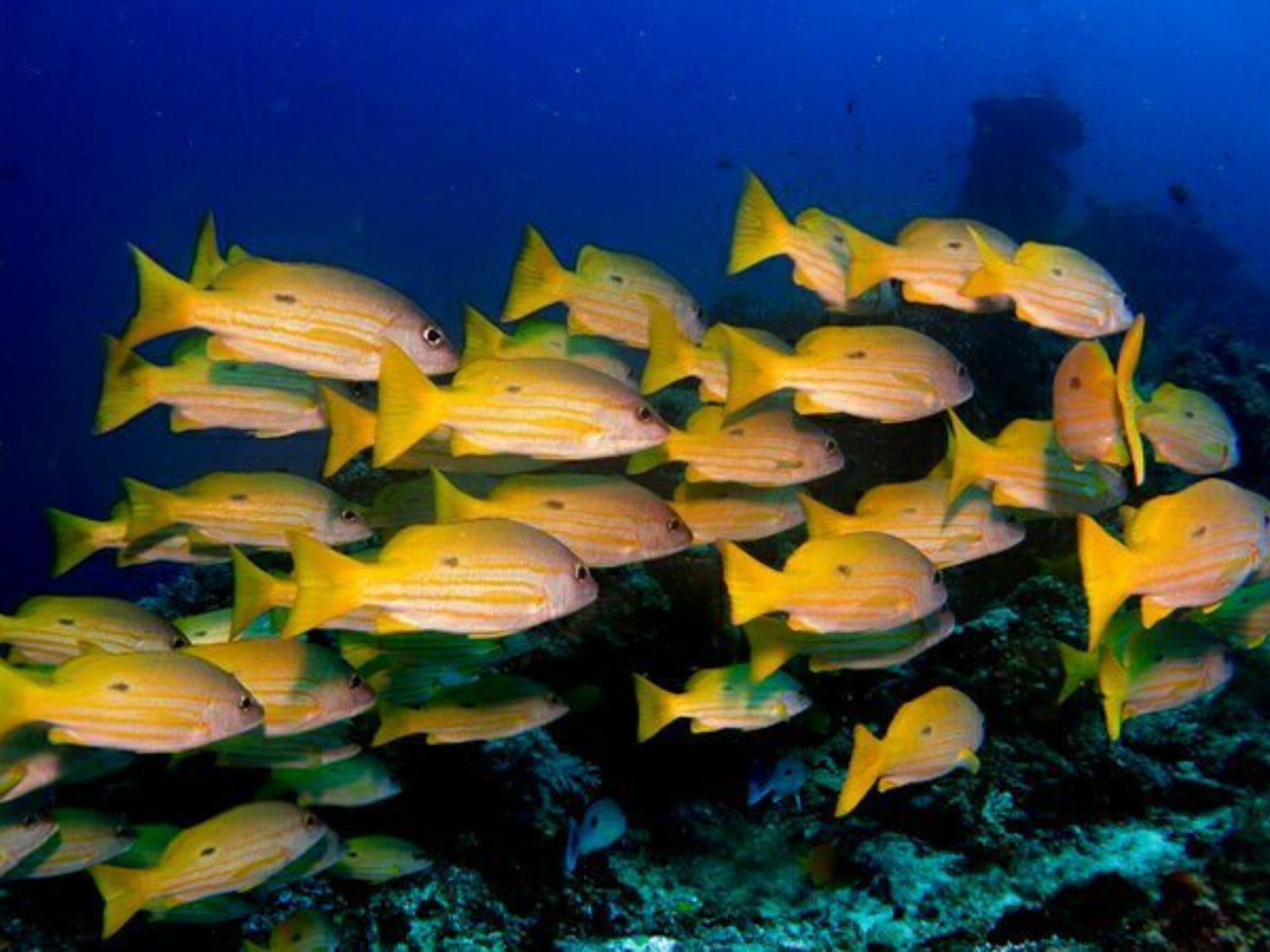
Yellow Wall is less about large pelagic species and more about reef biodiversity. Divers commonly encounter:
- Anthias and reef fish schools
- Nudibranchs and macro life
- Butterflyfish and angelfish
- Small reef sharks in deeper sections
- Turtles passing occasionally through the wall area
- Soft coral ecosystems filled with tiny marine activity
The reef itself is the main attraction, and much of the marine life blends directly into the coral environment rather than dominating open water. That’s what gives the site its slower, more immersive feeling.
A Different Side of Komodo Diving
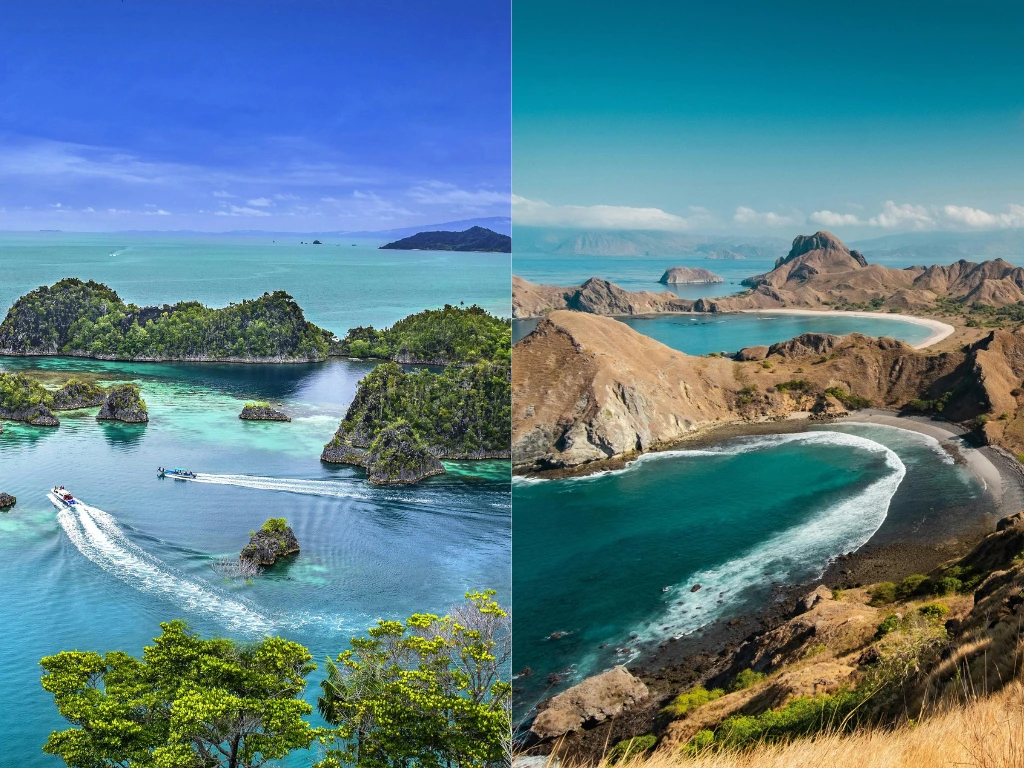
Yellow Wall represents a side of Komodo that many first-time visitors don’t expect. Instead of chasing current and large marine life, this site encourages divers to slow down and pay attention to the reef itself. It works especially well in balanced itineraries where divers combine action-heavy northern sites with calmer coral dives further south. That’s why it’s often included in fun diving trips in Komodo that aim to show the full variety of the national park rather than just its most extreme conditions.
Yellow Wall is accessed through dive trips departing from Labuan Bajo, usually as part of southern Komodo itineraries. Because southern Komodo conditions can vary depending on season and ocean swell, dive planning is adjusted daily based on weather and currents. On calm days, the site becomes one of the most visually rewarding reef dives in the region.
If you want to explore Yellow Wall and other coral-rich Komodo dive sites with experienced local guides, you can arrange your trip through Divers Paradise Komodo for guided diving, courses, and customized dive experiences.